TMJ Disorders

Does your jaw make a noise,
or is it uncomfortable to open your mouth?

It may be more than tired jaw muscles.
It may be a signal from a jaw joint that has been pushed back
and from bite interference.

If jaw joint noises and pain are left unaddressed, they can lead to changes in the joint disc and to headaches and neck and shoulder pain. Our clinic looks for the small bite interferences and soft-tissue irritation that push the jaw back and, where needed, may combine fine bite adjustment with custom splint treatment.

Book a Consultation ↗
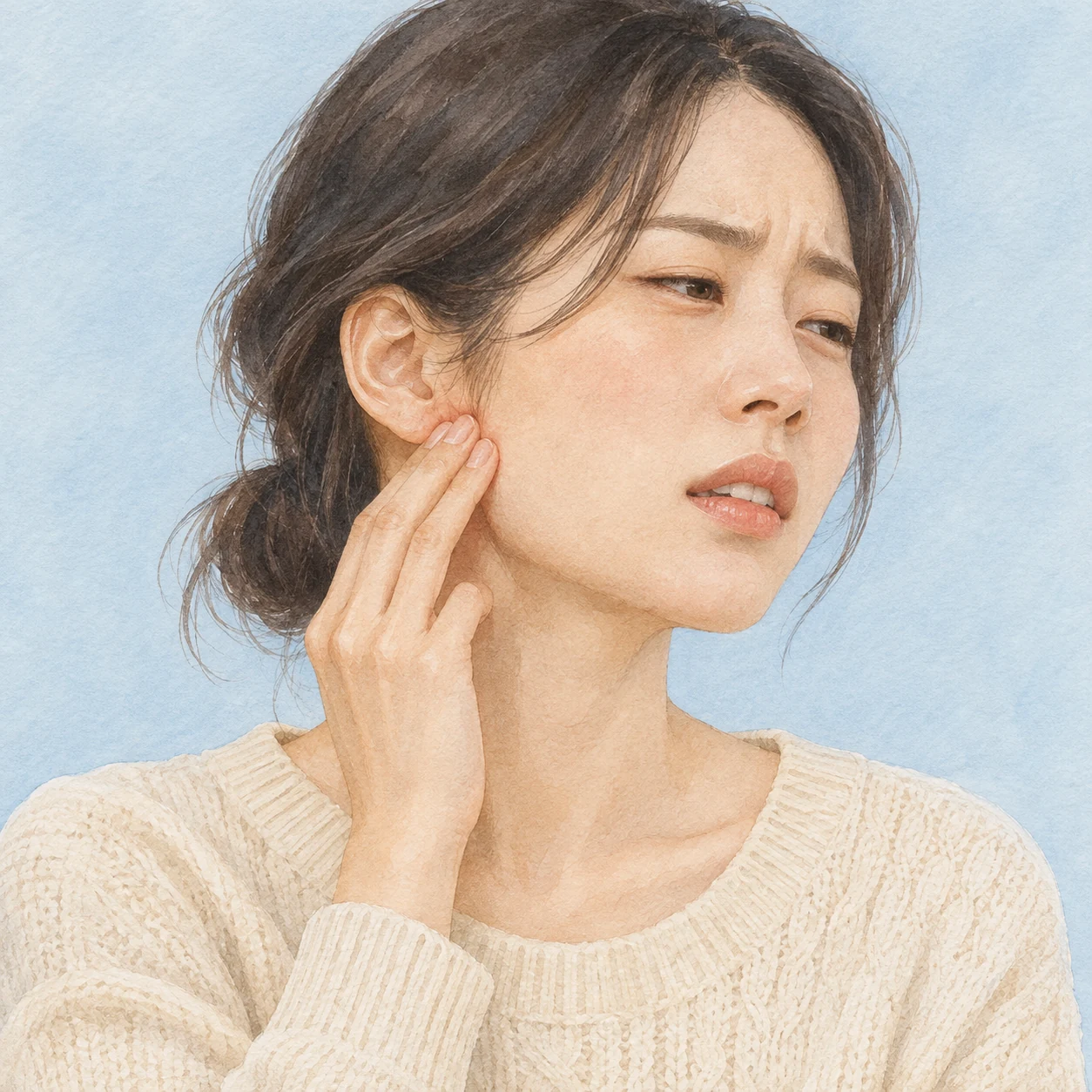
A person with the mouth slightly open and a hand on the jaw joint in front of the ear

01 · Symptom Check

From clicking in front of the ear to limited mouth opening,
strain can build up in the jaw joint

A TMJ disorder (temporomandibular disorder, TMD) often begins with slight noises or stiffness, but if the disc inside the joint (the articular disc) moves out of place, it can progress to being unable to open the mouth or to chronic pain. If any of the items below apply to you, a detailed examination may be needed.

  • Joint noises

    When you open or close your mouth, you may hear a click or pop in front of the ear, or feel a grating sensation like sand being ground.

  • Limited opening and catching

    Your mouth may not open well when you wake in the morning, or when you open wide the jaw may zigzag to one side and feel as if it catches.

  • Jaw joint and chewing muscle pain

    When you chew or yawn, the jaw joint area in front of the ear may throb, and both cheeks (masseter) and temples (temporalis) may feel stiff.

  • Referred pain (ear, head, neck)

    Although there is nothing wrong with the ear itself, the ear may feel full or ring, and unexplained migraines and stiffness in the back of the neck and shoulders may accompany it.

A person opening their mouth with the jaw moving slightly to one side
Jaw joint noises and catching
A person touching the area in front of the ear and the temple during a meal
Pain when chewing and difficulty opening

02 · Causes

Tiny tooth collisions and tension
can press on the jaw joint disc from behind

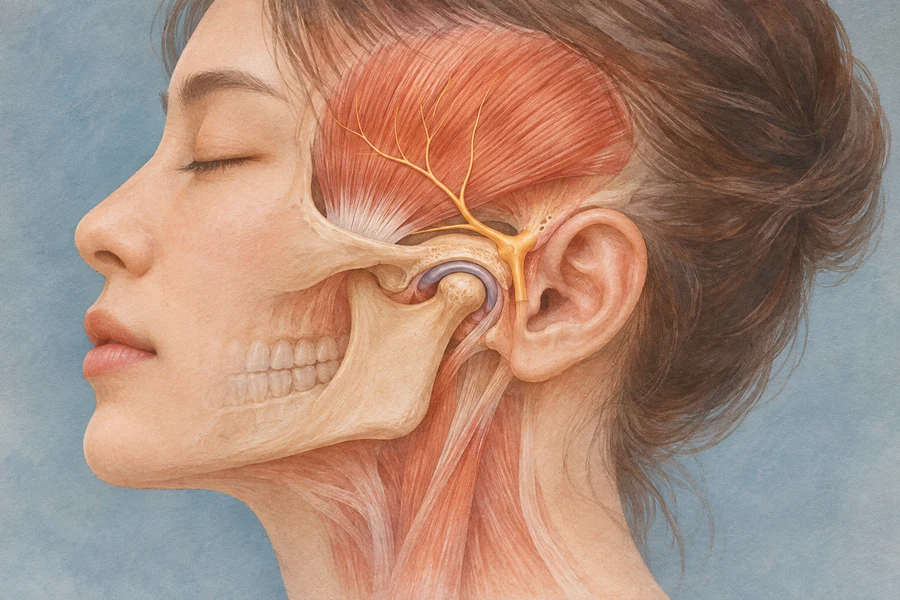
In the jaw joint, a piece of fibrocartilage called the articular disc sits like a cushion between the lower jaw bone (the mandibular condyle) and the skull.
When this disc leaves its place and is pushed forward, noises and pain begin.

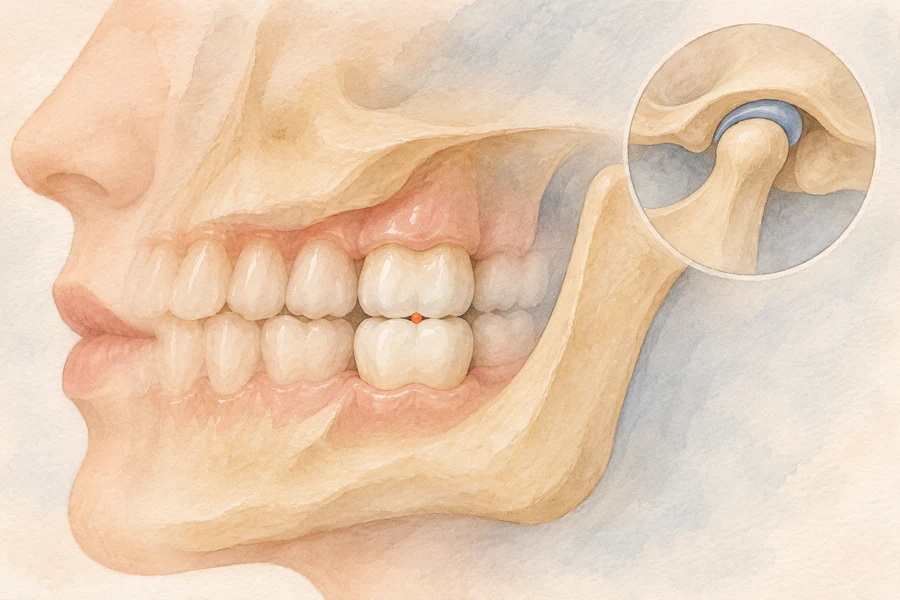
  1. Diagram of contact between the upper and lower molars and the position of the jaw joint

    Tiny interferenceA 0.01 mm premature contact and a lower jaw pushed back

    When there is a tiny collision between the teeth, on the scale of a single hair’s thickness (0.01 mm), or a dental restoration of the wrong height, the brain may pull the lower jaw up and back to avoid that tooth every time the mouth closes. This narrows the space inside the joint and places continuous pressure on the jaw joint.

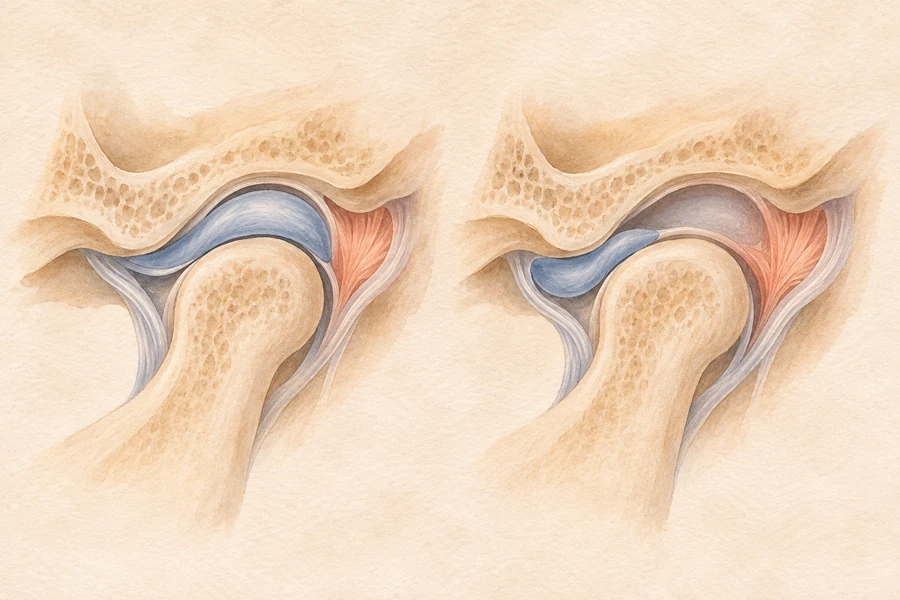
  2. Diagram comparing the normal position of the articular disc with anterior displacement

    Disc displacementDisplacement of the articular disc and compression of the retrodiscal tissue

    When a lower jaw bone that sits back pushes the joint cushion (the disc) forward, the bone and disc knock against each other as the mouth opens and closes, producing a click. If this continues, the sensitive nerve and blood vessel tissue behind the disc (the retrodiscal tissue) is pressed directly, and inflammation and severe pain can develop.

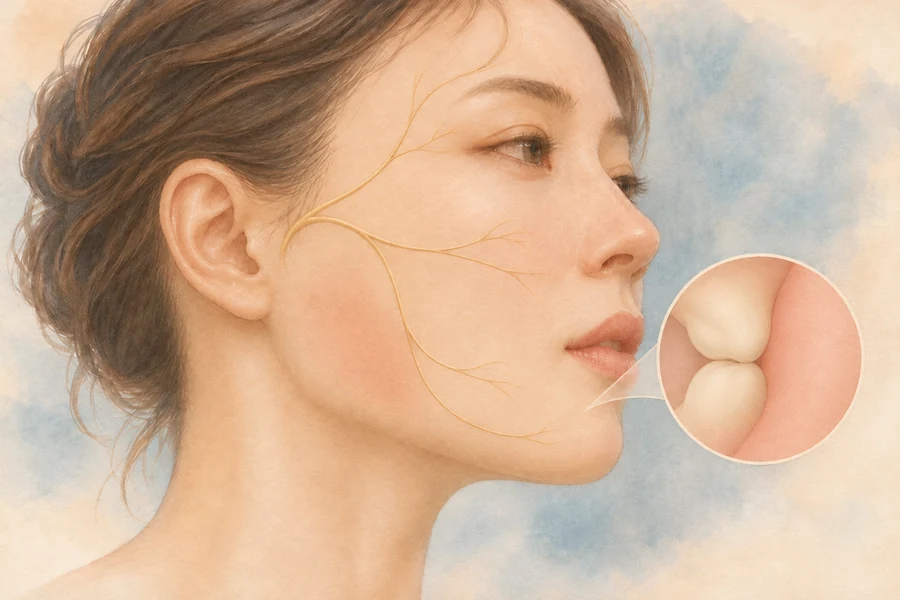
  3. Diagram showing the branches of the trigeminal nerve in the face and a tiny contact between the upper and lower teeth

    Factors in the vicious cycleTrigeminal nerve tension and one-sided habits

    Irritation from a sharp tooth that pokes the tongue or cheek lining, unconscious clenching and habits such as chewing on one side only or resting the chin on a hand can make the trigeminal nerve, which carries sensation, more sensitive. As tense chewing muscles pull the jaw joint upward more strongly, disc damage and asymmetric changes can worsen.

03 · Problems That Can Develop

Imbalance in the jaw joint can go beyond changes in the joint
and affect the facial outline and whole-body posture

The jaw joint acts as a counterweight for the skull and is directly connected to the cervical spine by nerves and muscles, so if left unaddressed it puts strain on the surrounding tissues step by step.

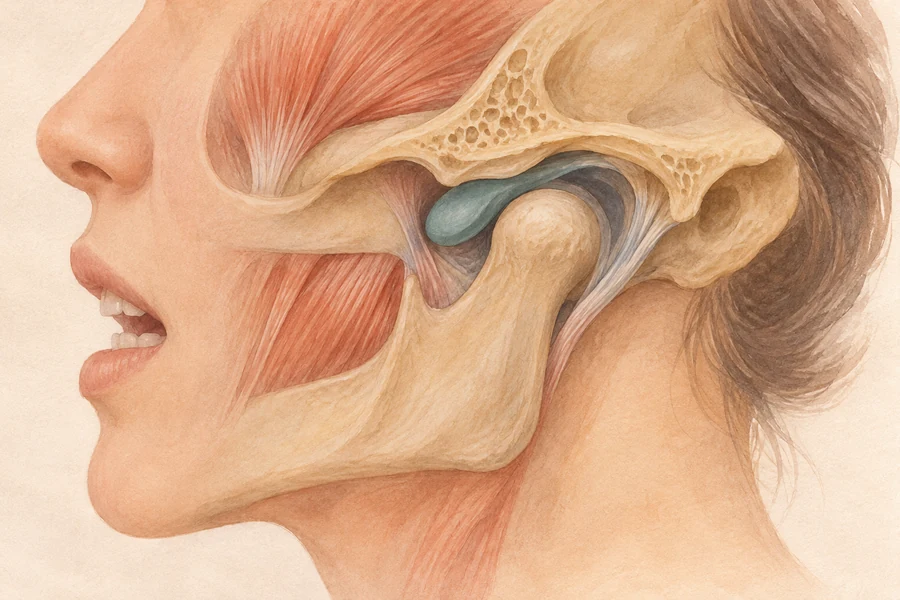
Cross-section diagram of a jaw joint with the articular disc positioned forward

① Limited mouth opening (locking) and degenerative arthritis

Past the stage of noises, if the disc slips fully forward and becomes trapped, the noise may actually disappear while the mouth becomes so restricted that you cannot fit even two fingers between your teeth. If this state continues for a long time, it can lead to degenerative arthritis of the jaw joint, in which the bone surface wears and changes shape.

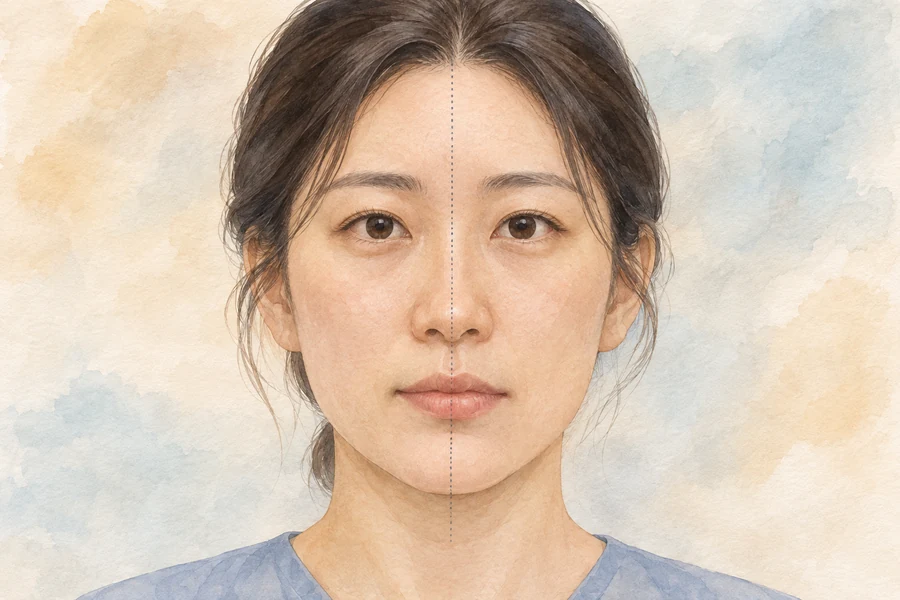
Front-view diagram showing the facial midline and the position of the chin

② Acquired facial asymmetry from displacement of the lower jaw

If the disc of one jaw joint is compressed or worn more severely than the other, a left–right difference arises in the height and length of the jaw. As a result, acquired facial asymmetry may progress, with the midline of the chin turning to one side and the corners of the mouth sitting at different heights.

Diagram marking the jaw joint, the ear and the area around the temple

③ Chronic migraine and related symptoms around the ear

The jaw joint lies directly in front of the ear (the ear canal) and shares the temporalis muscle and branches of the trigeminal nerve. Chronic tension and inflammation around the joint can be a cause of frequent headaches at the temples together with tinnitus and ear fullness, a sense that the ear is blocked or ringing.

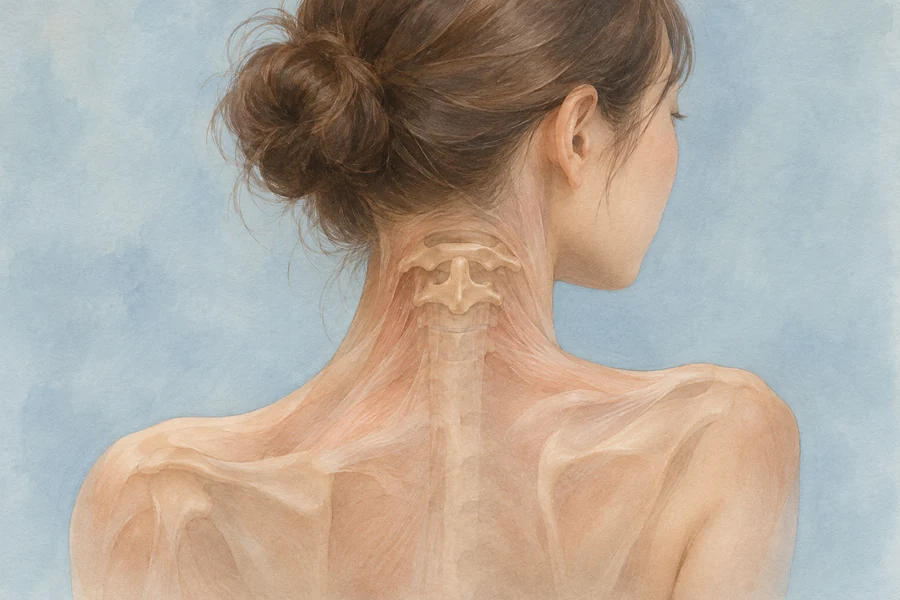
Diagram marking the upper cervical spine and the position of the shoulders

④ Cervical misalignment and body pain

When the position of the lower jaw changes, the center of gravity of the head shifts, and the first and second cervical vertebrae directly below may twist to compensate. This can lead to stiffness at the back of the neck, trapezius pain and chronic tension around the spine.

About facial asymmetry ↗

04 · Limits of Conventional Approaches

Calming the pain alone, or covering the teeth with a ready-made appliance, may not open a narrowed joint space

These may help relieve symptoms temporarily, but if the bite interference that pushes the jaw joint back and the structure that compresses the disc remain, symptoms tend to return.

Limits of medication and physical therapy
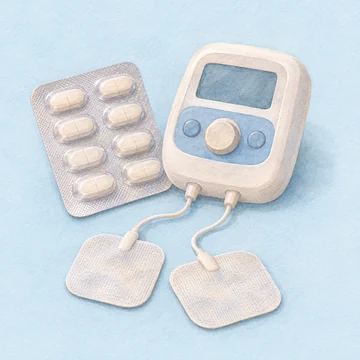
Illustration of medication and an electrical physical therapy device

Anti-inflammatory pain relievers, muscle relaxants and heat or electrical physical therapy can help calm acute inflammation and tightness in the surrounding muscles. However, if the 0.01 mm bite interference that pushes the jaw back every time the mouth closes and the narrowed space in the joint remain as they are, pain and noises can recur when the medication wears off or fatigue builds up.

Limits of jaw Botox
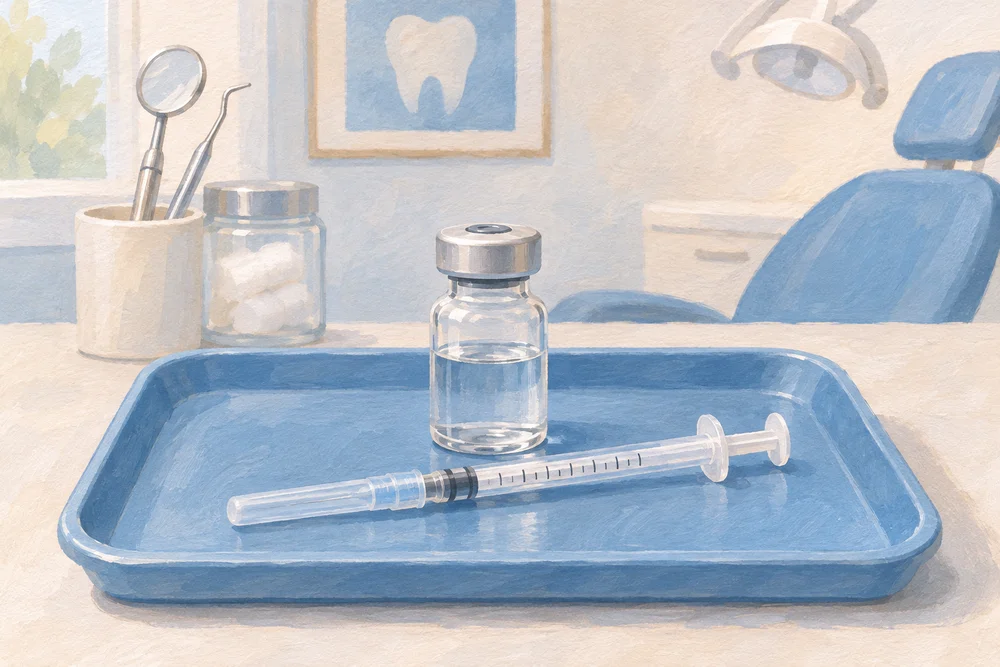
Illustration of a vial and syringe representing jaw Botox

Botox injected into the jaw muscles can temporarily weaken biting force and reduce grinding noise. However, the brain’s reflex to move the jaw forward to open a narrowed airway, and a 0.01 mm bite interference, can remain. When the effect wears off, grinding may return, or it may become harder to keep the airway open during sleep and other nearby muscles may become overactive instead.

Limits of ready-made mouthguards
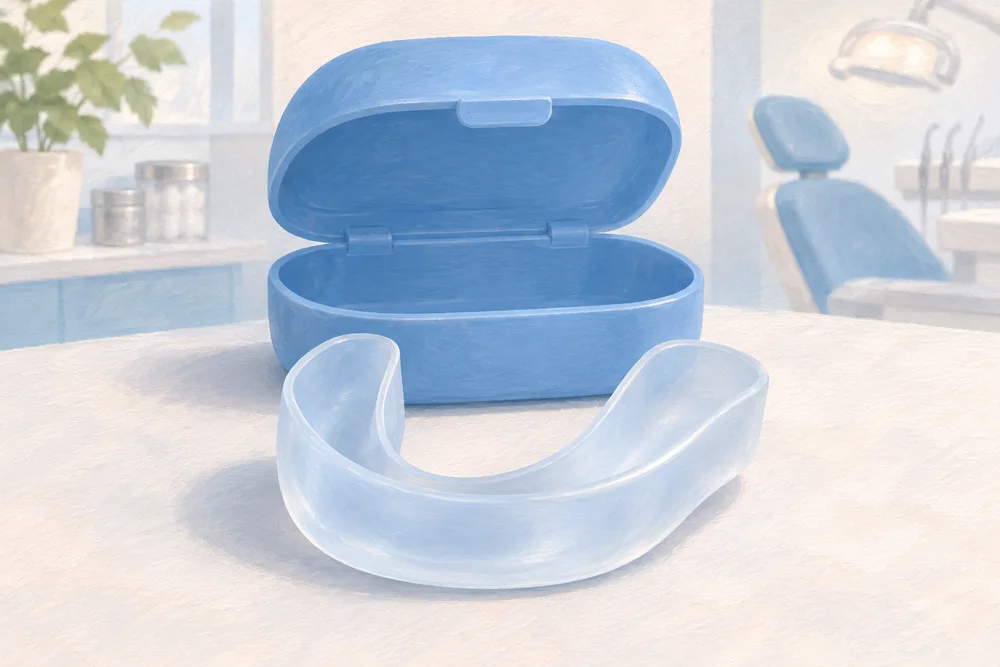
Illustration of a smooth U-shaped ready-made mouthguard and its storage case

A store-bought, ready-made appliance, which does not take account of an individual’s jaw joint axis of rotation or disc position, simply puts a layer of material between the upper and lower teeth. Wearing an ill-fitting appliance for a long time without precise guidance of the bite may cause only certain teeth to touch, so that the jaw joint shifts further to one side or the bite changes.

05 · Treatment at Our Clinic

Two treatment plans to fit your visit schedule

We carefully assess jaw joint movement, the state of the disc and where the teeth meet.
We choose an appliance based on those findings and on whether long-term visits are possible, and may combine it with fine bite adjustment as needed.

If long-term treatment is possible

Custom MCB Splint

+ Fine Bite Adjustment

MCB-H · For in-clinic treatment
MCB-L · For sleep

We make a custom MCB splint to help regain space in a compressed jaw joint and guide the lower jaw toward a comfortable, centered position. At regular visits, we check joint movement and changes in the bite and continue adjusting step by step.

More about custom MCB treatment ↗

If long-term treatment is difficult right now

Thermo Splint

+ Fine Bite Adjustment

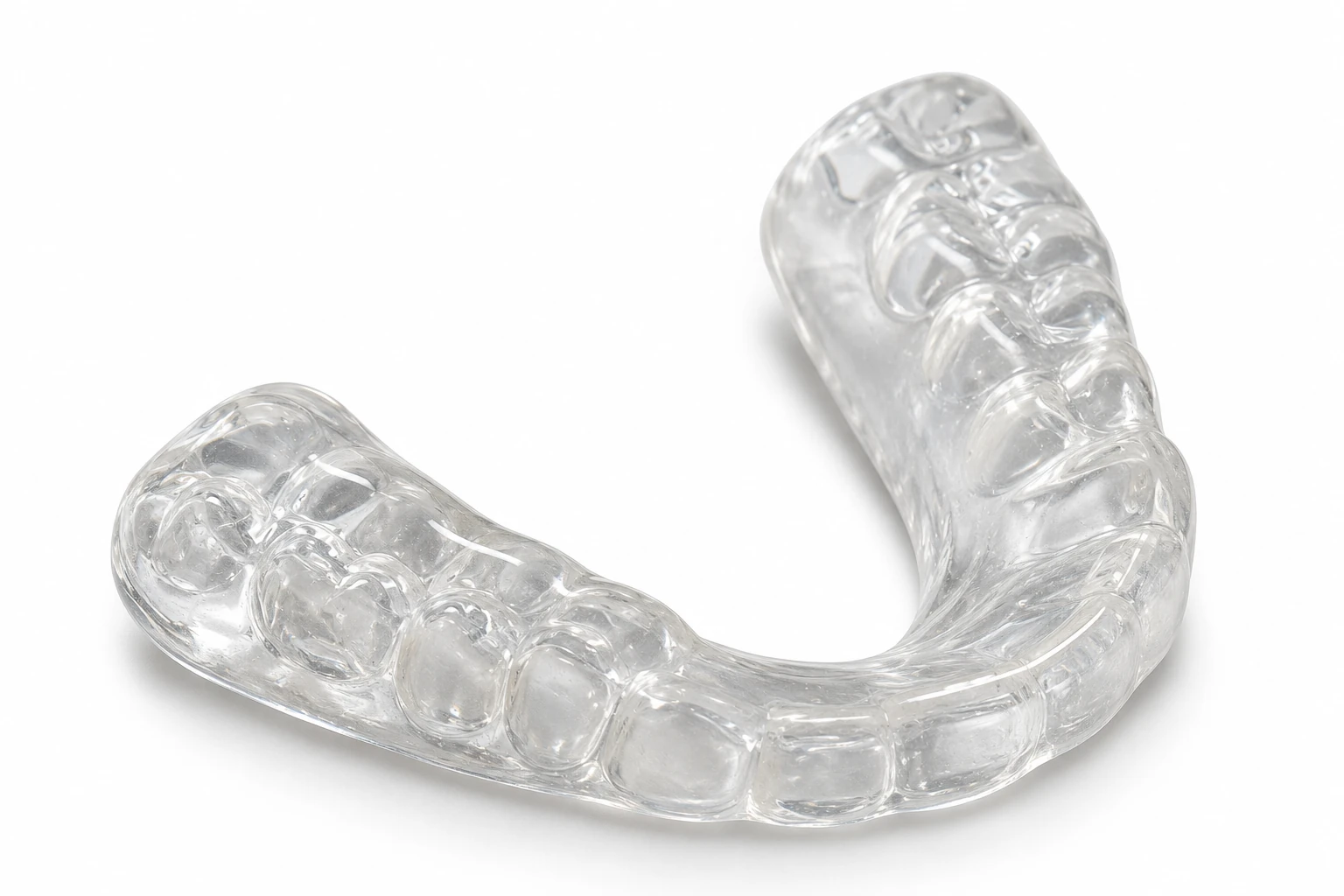
Clear thermoplastic Thermo splint

We make a thermoplastic Thermo splint to fit the shape of your teeth, to ease excessive pressure on the jaw joint and muscle tension. We explain how long to wear it and what to watch for during use, and set the next checkup around your availability.

More about the Thermo splint ↗

06 · Everyday Habits

Everyday habits to reduce pressure on the jaw joint

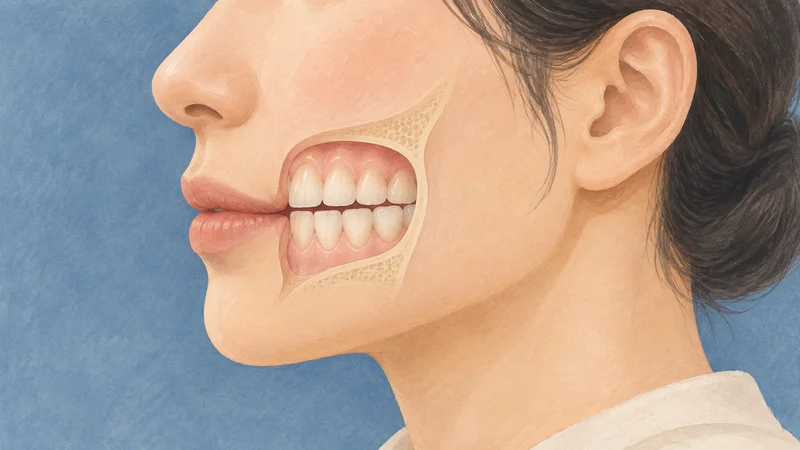
  1. A relaxed jaw with the upper and lower teeth slightly apart

    Keep your upper and lower teeth slightly apart

    Except when you are chewing or swallowing, the upper and lower teeth should be 2–3 mm apart so that the jaw joint disc can rest without being compressed.

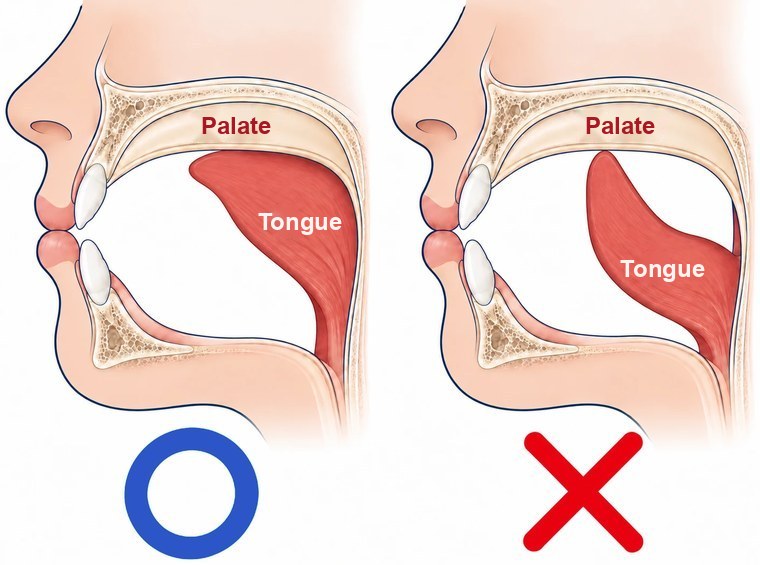
  2. Drawing showing where the tongue touches the roof of the mouth

    Rest your whole tongue against the roof of your mouth

    Keeping your tongue against the whole roof of your mouth, starting about 2 cm behind the front teeth, helps the jaw joint settle into a stable, centered position.

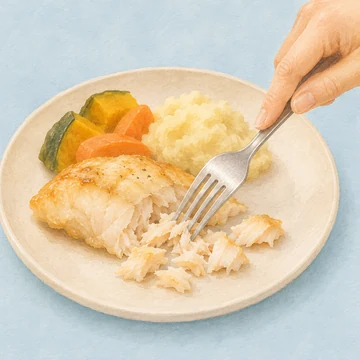
  3. A person cutting food into small pieces

    Avoid tough foods and opening too wide

    When you have pain or catching, avoid tough foods such as dried squid and nuts, and take care not to open your mouth wide suddenly when yawning or eating.

  4. A warm towel resting lightly around the jaw in front of the ear

    Correct chin-resting and one-sided chewing, and use a warm compress

    Cut down on resting your chin on your hand and sleeping face down, and when the muscles feel stiff, apply a warm towel in front of both ears and to the cheeks for about 10 minutes before you go to sleep.

Book a Consultation Call Us +82-2-3661-2211