

Dizziness · Tinnitus

Do you feel dizzy when you turn your head,
or have ringing or fullness in your ears?

If your jaw feels stiff along with dizziness or ringing in the ears,
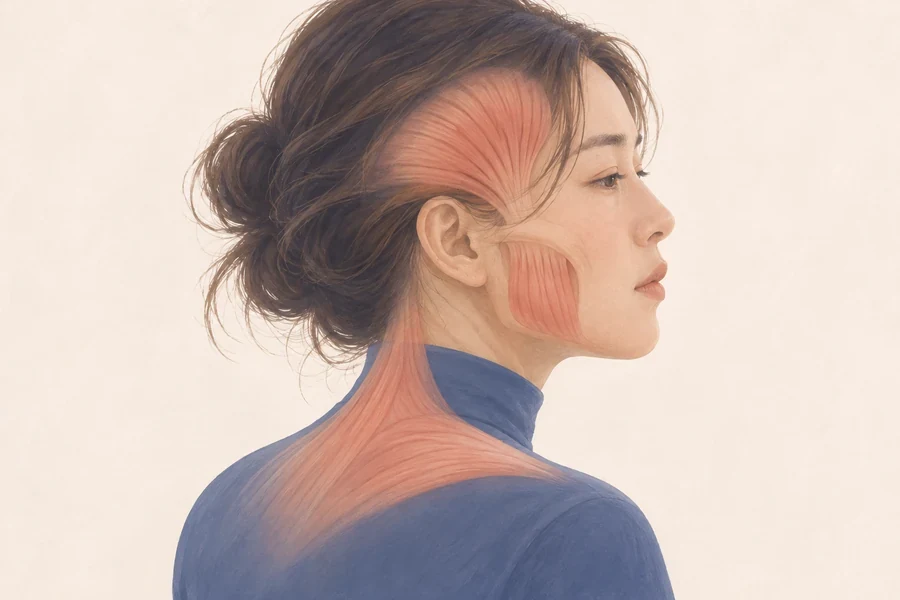
discomfort in the jaw and neck can be looked at as well.

If symptoms continue even though ENT and neurology tests have not found a clear cause, discuss your progress with your treating clinician. If you also have jaw pain, clenching or a stiff neck, our clinic assesses your bite, soft-tissue irritation in the mouth and jaw joint movement.

Book a Consultation ↗
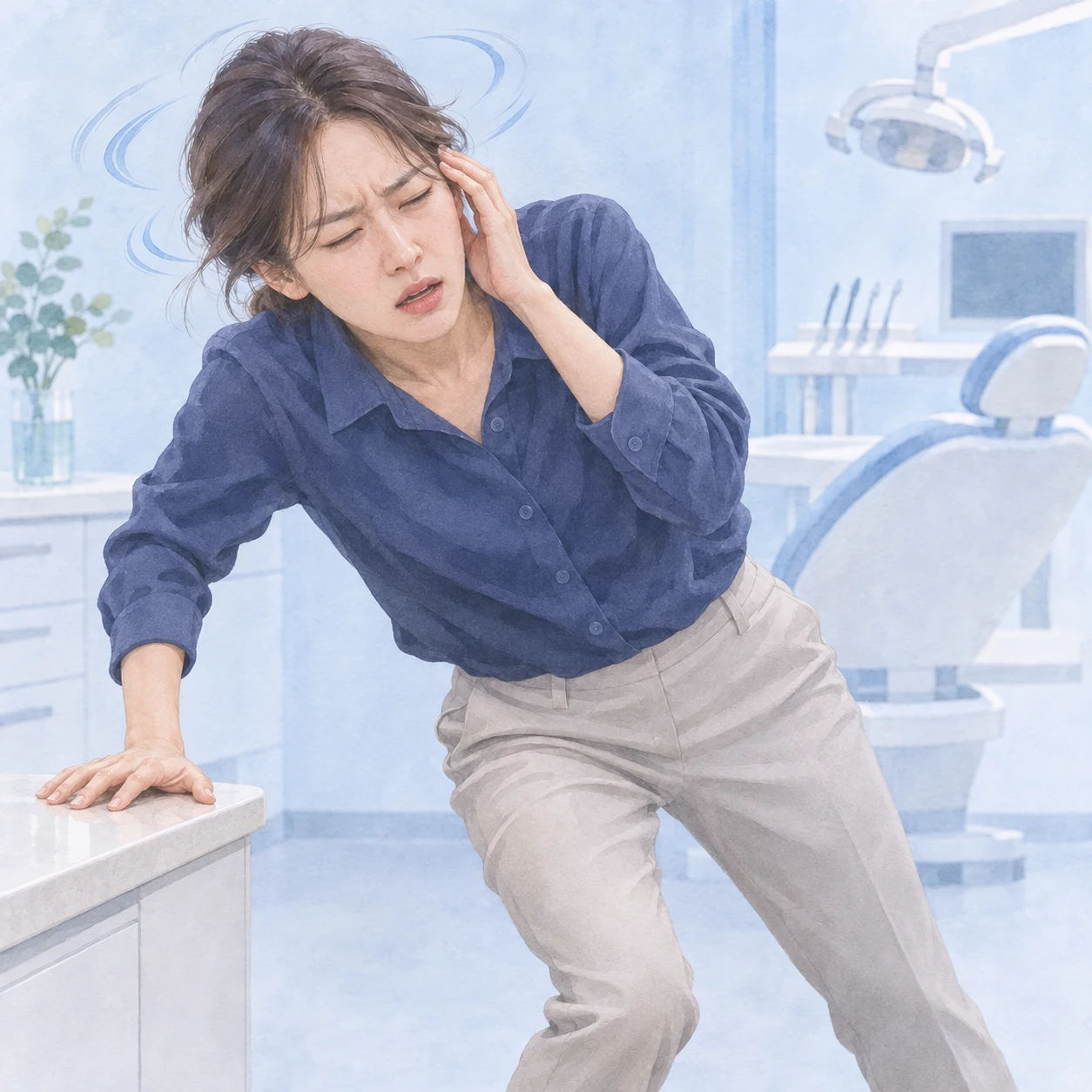
A person leaning and steadying themselves on a table during sudden dizziness

01 · Symptom Check

From unsteadiness, as if walking on clouds,
to ringing and fullness in the ears: we look at the symptoms that come with it

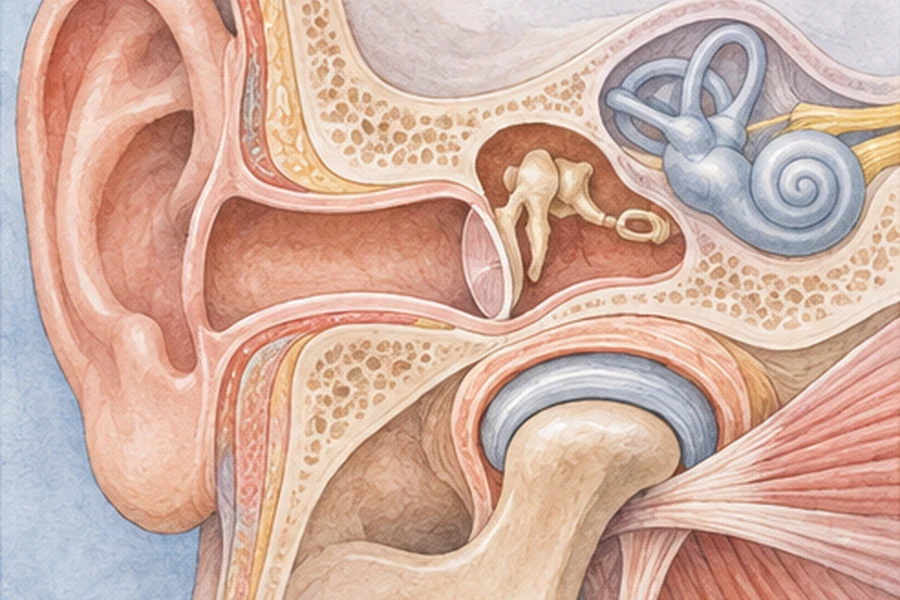
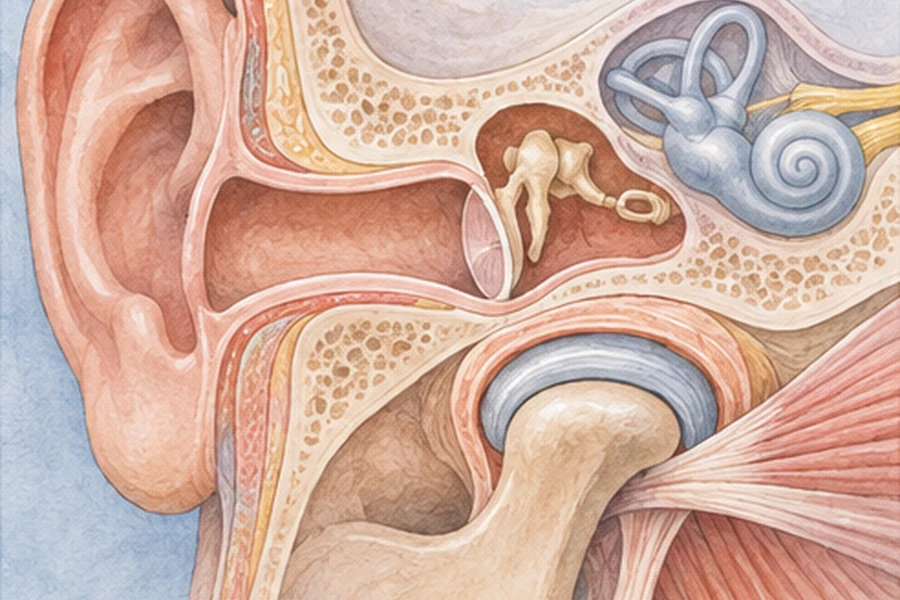
The jaw joint lies in front of the ear canal, and for some people ringing in the ears changes when they move the jaw. If dizziness or tinnitus keeps coming back, it helps at your visit if you have noted when it happens, how it relates to head movement, any change in hearing, and any jaw pain that comes with it.

  • Dizziness with movement

    When you turn your head from side to side or look up, or get out of bed, the world may spin or you may feel unsteady, as if walking on clouds.

  • Unexplained tinnitus and ear fullness

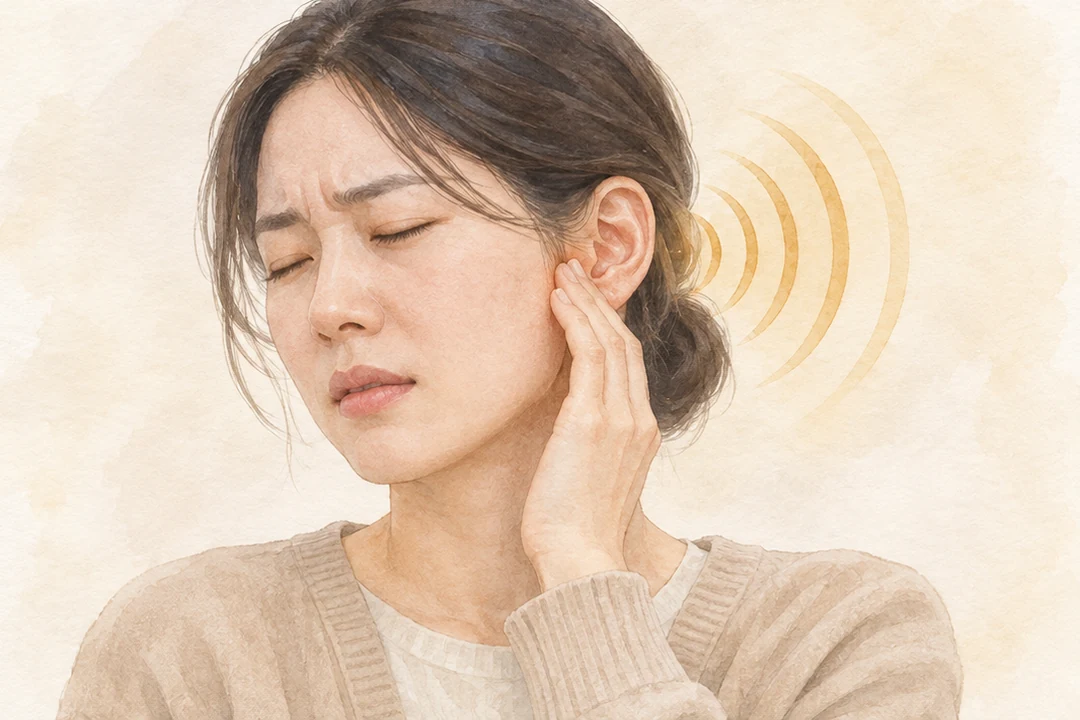
    In a quiet place you may hear a high-pitched metallic tone or a sound like cicadas, and your ears may feel full and blocked, as they do on an airplane.

  • Stiffness at the back of the neck and blurred vision

    When dizziness comes on, the back of the neck and the area below the ears may stiffen, or your vision may blur for a moment and you may feel nauseated.

  • How the teeth meet and one-sided habits

    You may feel that a particular tooth touches first when you close your mouth, or you may clench your teeth at night, and this may come with jaw joint noises or a habit of chewing on one side.

A person feeling dizzy when turning their head
Dizziness brought on by turning the head
A person touching the area around the ear because of ringing and fullness
Unexplained tinnitus and ear fullness

02 · Causes

We look at dizziness that comes on when you move your head
and tinnitus that changes when you move your jaw

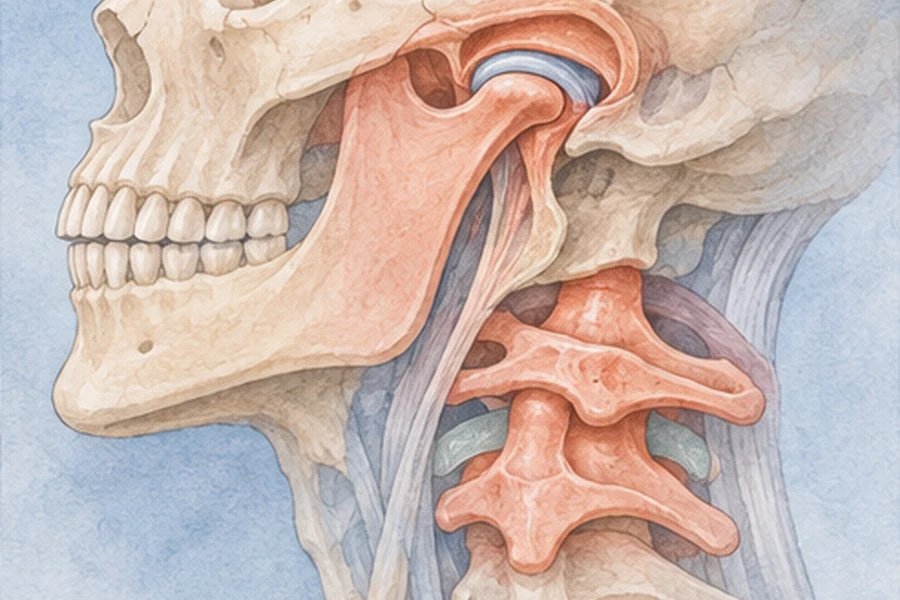
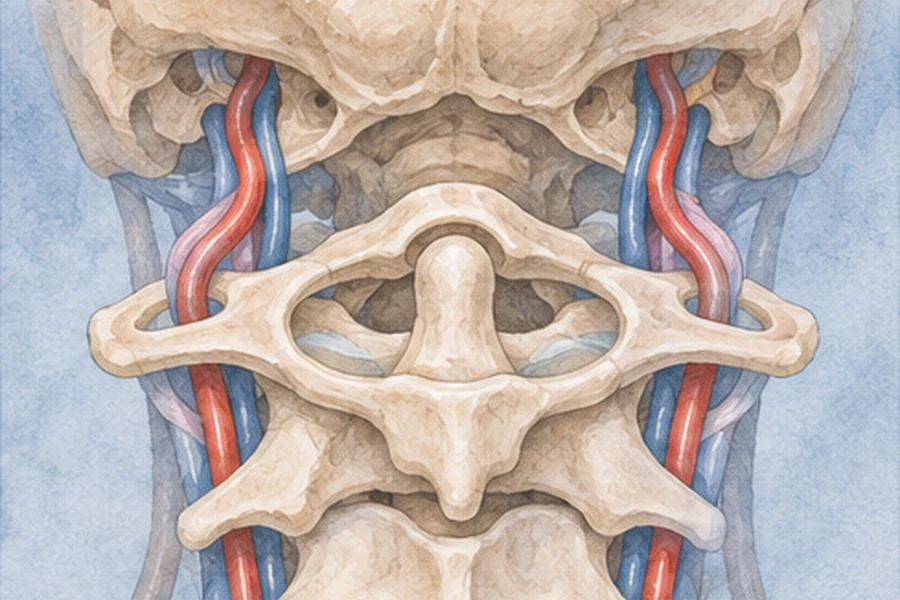
The blood vessels passing through the upper cervical spine and the ear structures around the jaw joint each call for a different kind of examination. We tell dizziness and tinnitus apart by what brings them on and by any change in hearing, and we also check accompanying jaw and neck symptoms.

  1. Mouth and jawPremature contacts and soft-tissue irritation

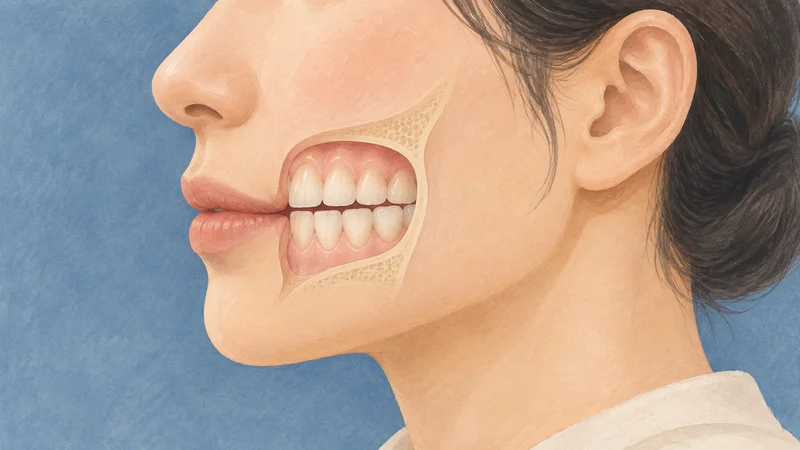
    If a particular tooth touches first or a sharp edge irritates the soft tissue, closing the mouth or chewing can be uncomfortable. Our clinic checks the direction in which the jaw moves and tension in the jaw and neck muscles. There is not enough evidence that a premature contact twists the first and second cervical vertebrae or reduces blood flow.

  2. Sorting out dizzinessThe upper cervical spine and vertebral artery compression

    The vertebral arteries pass through the cervical vertebrae and supply blood to the brainstem and cerebellum. Conditions in which a vertebral artery is compressed when the head is held in a particular direction are rare. Dizziness brought on by movement has many causes, such as benign paroxysmal positional vertigo (BPPV) and vestibular migraine, and these are told apart by symptoms and examination findings. If vascular compression is suspected, blood flow with changes in position is assessed by a specialist.

  3. Sorting out tinnitus and ear fullnessThe tensor tympani and structures around the ear canal

    The jaw joint lies in front of the ear canal, and the tensor tympani and tensor veli palatini muscles are supplied by the mandibular branch of the trigeminal nerve. Involuntary contraction of the middle ear muscles can, in some people, be related to a clicking or fluttering tinnitus. If the loudness of your tinnitus changes when you move your jaw, or you also have jaw pain, the jaw joint can be examined after your hearing and ears have been assessed.

03 · Problems That Can Develop

Recurring dizziness and tinnitus
can take a toll on everyday safety, sleep and emotional well-being

Dizziness can make walking or driving difficult, and tinnitus can disturb sleep and concentration. We also look at symptoms that appear alongside them, such as nausea, changes in hearing and discomfort in the jaw and neck.

① Momentary blurred vision on turning the head and the risk of falls

Suddenly losing your balance or having your vision blur when you check a lane while driving or look up can interfere with walking and everyday safety. If dizziness that is hard to control keeps recurring, avoid driving and seek medical care.


② Insomnia and heightened nervous sensitivity from chronic tinnitus

At night, when your surroundings are quiet, the sound in your ears may seem more distinct and make it hard to fall asleep. If tinnitus is making it hard to sleep or concentrate, let us know at your visit.

③ Nausea that comes with dizziness

When the sense of balance is disturbed, the body’s autonomic response can cause nausea or a cold sweat. Keeping a note of whether headache or sensitivity to light or sound appears at the same time also helps in telling causes apart.

④ Accompanying jaw joint and neck pain

There may be pain or noise in the jaw joint in front of the ear, and stiffness from the back of the neck to the shoulders. If the pain gets worse when you open your mouth or chew, a jaw joint examination can be considered alongside assessment of hearing and dizziness.

About headache and migraine ↗

04 · Limits of Conventional Approaches

If symptoms keep recurring,
we look again at the pattern of dizziness and tinnitus

If discomfort continues despite medication or ear care, check with your treating clinician whether there have been movements that bring on the symptoms or changes in hearing.

Limits of vestibular suppressants and dizziness medication

Medication that reduces dizziness or nausea can help. If symptoms recur while you are taking it, or you find you need to keep using it, discuss the diagnosis and how long to take it with the clinician who prescribed it.

Limits of circulation medication and simple ear care

Management of tinnitus depends on your hearing and the pattern of symptoms. If ringing continues in one ear or keeps time with your heartbeat, have it assessed by an ENT specialist. If the ringing changes with jaw movement or comes with jaw pain, the jaw joint can also be checked separately.

05 · Treatment at Our Clinic

Two treatment plans to fit your visit schedule

We assess where the teeth meet, how the jaw moves and where the soft tissue is irritated, and check for accompanying neck discomfort.
We choose an appliance based on those findings and on whether long-term visits are possible, and may combine it with fine bite adjustment as needed.

If long-term treatment is possible

Custom MCB Splint

+ Fine Bite Adjustment

MCB-H · For in-clinic treatment
MCB-L · For sleep

We make an MCB splint to match your jaw position and tooth contacts. At regular visits, we check jaw movement and the bite after you wear it and continue with any adjustments needed. Changes in ringing and dizziness can also be recorded and discussed with the relevant medical specialists.

More about custom MCB treatment ↗

If long-term treatment is difficult right now

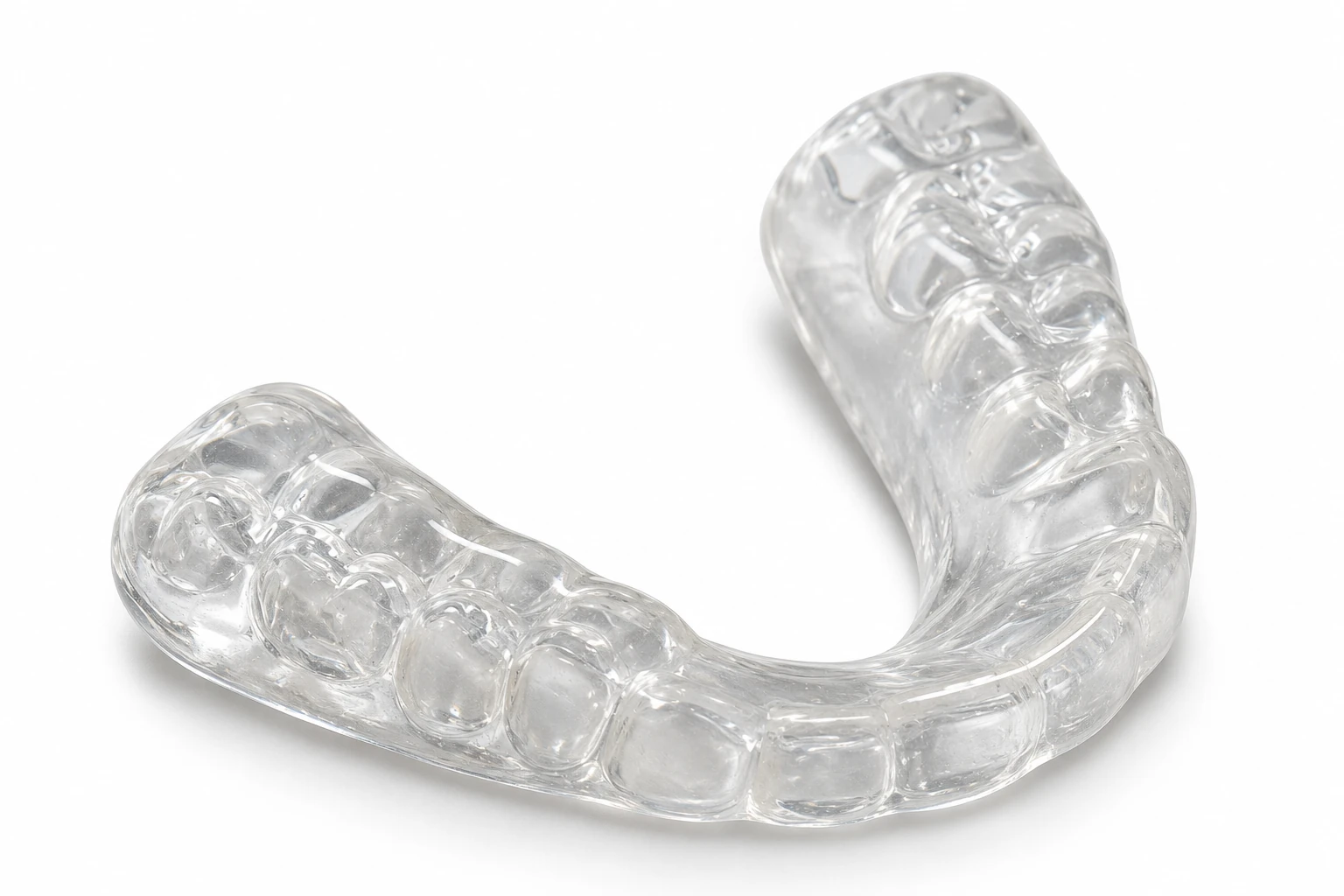
Thermo Splint

+ Fine Bite Adjustment

Clear thermoplastic Thermo splint

We make a thermoplastic Thermo splint to fit the shape of your teeth. We explain how long to wear it and what to watch for during use, and set the next checkup around your availability. We also check whether the appliance presses on the teeth or causes jaw pain.

More about the Thermo splint ↗

06 · Everyday Habits

Everyday habits to ease tension in the jaw and the back of the neck

  1. A relaxed jaw with the upper and lower teeth slightly apart

    Keep your upper and lower teeth slightly apart

    Notice whether your upper and lower teeth are touching when you are at rest. If you are clenching, part your teeth slightly and let your jaw relax.

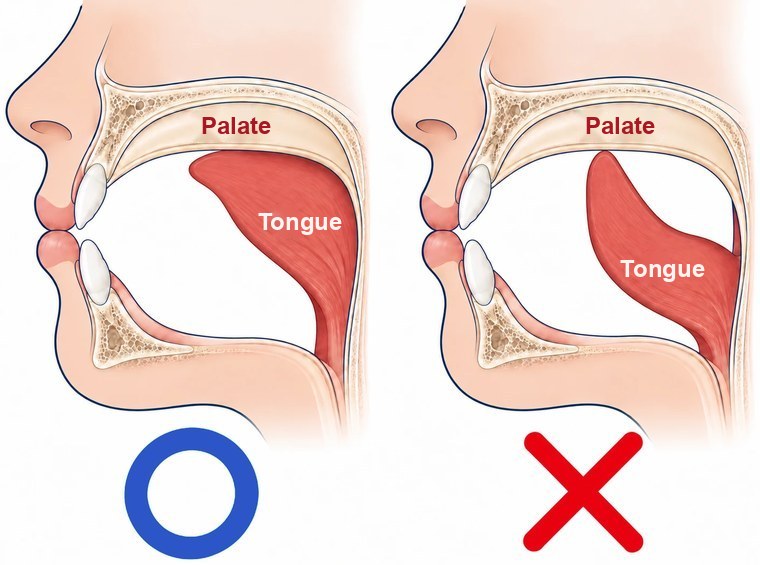
  2. Drawing comparing the tongue touching the front of the roof of the mouth and the tongue curled back

    Rest your tongue comfortably against the roof of your mouth

    Rest your tongue comfortably against the roof of your mouth and notice whether your jaw is tensing.

  3. A pillow comfortably supporting the head and neck when lying on one side

    Avoid tilting your head back suddenly, and check your pillow height

    Do not keep repeating positions that bring on dizziness in order to check your symptoms. Use a pillow height that does not bend your neck sharply when you lie down.

  4. A warm towel resting lightly around the jaw in front of the ear

    Warm compress on the jaw joint in front of the ear and the back of the neck before bed

    When the muscles of your jaw and the back of your neck feel stiff, you can try applying a towel at a comfortable temperature for a short time. Stop if it feels hot or the pain gets worse.

Book a Consultation Call Us +82-2-3661-2211