Teeth and jaw,
connected to the brain
Even in the small movements of chewing and speaking, the skull, spine and nerves work together.
Why the Jaw Joint MattersTeeth and jaw,
connected to the brain
Even in the small movements of chewing and speaking, the skull, spine and nerves work together.
Why the Jaw Joint Matters
The position of the lower jaw:
finding a clue in osteopathy
By observing the subtle rhythm of the skull, Dr. Lee established a reference for finding the position of the lower jaw.
Osteopathy
Everyone’s jaw is
a little out of alignment
A custom-made MCB splint that guides the jaw to its proper position: a starting point for aligning the whole body
Custom MCB Splint
One tooth that touches 0.01 mm early
makes the jaw shift aside
Fine bite adjustment: adding support and reshaping only the places that touch first
Fine Bite Adjustment
Does your face look different on each side?
We look at how facial asymmetry relates to the jaw and the bite, and explain how far it may be improved with non-surgical correction.
Facial Asymmetry
Is your jaw stiff
when you wake up in the morning?
Repeated teeth grinding can wear the teeth down or make them sensitive, and can cause fatigue and pain in the jaw muscles.
Teeth Grinding and Clenching01All06
Treatment Principles
From how the jaw joint moves to how the teeth meet once the appliance is out, these are the things we look at in your care.
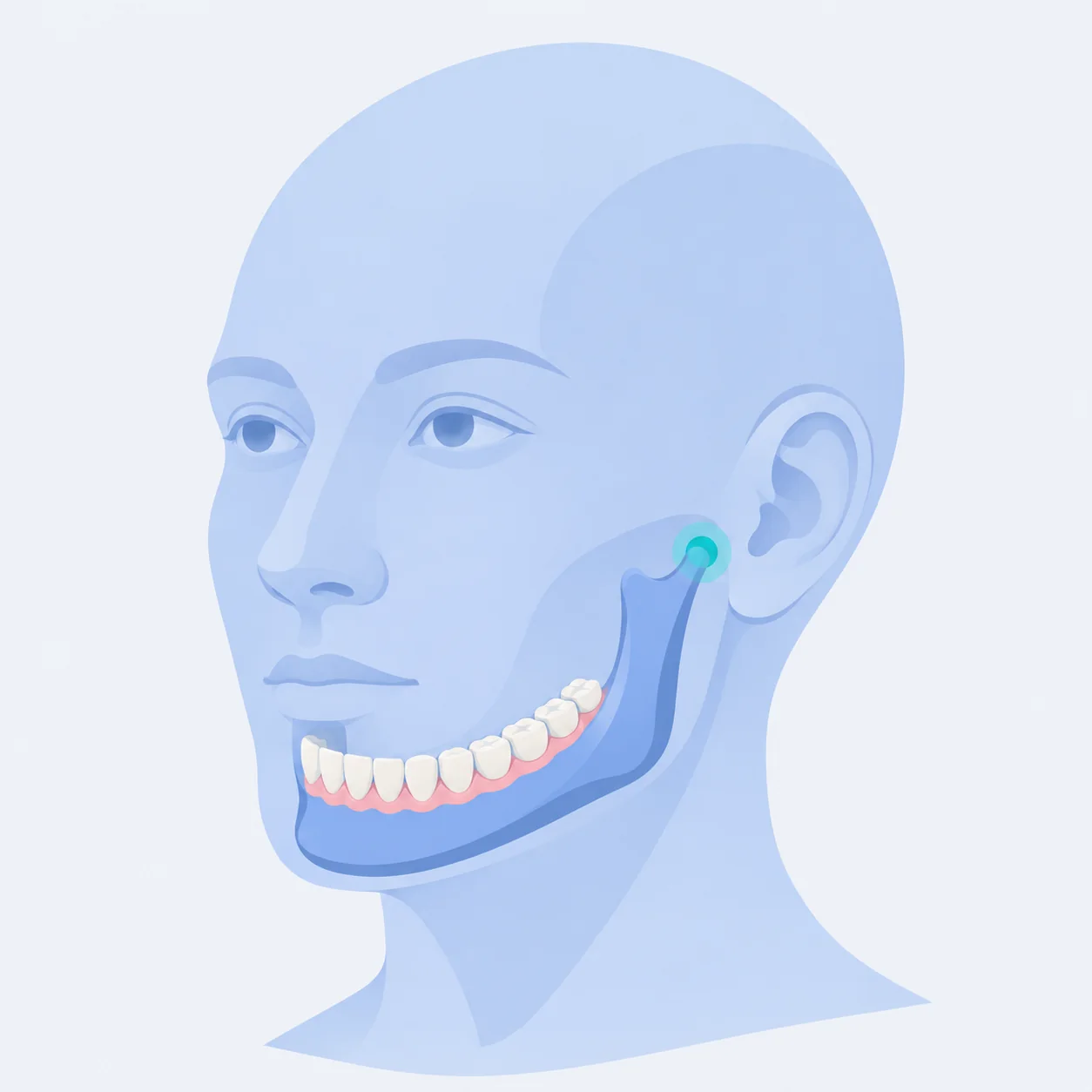
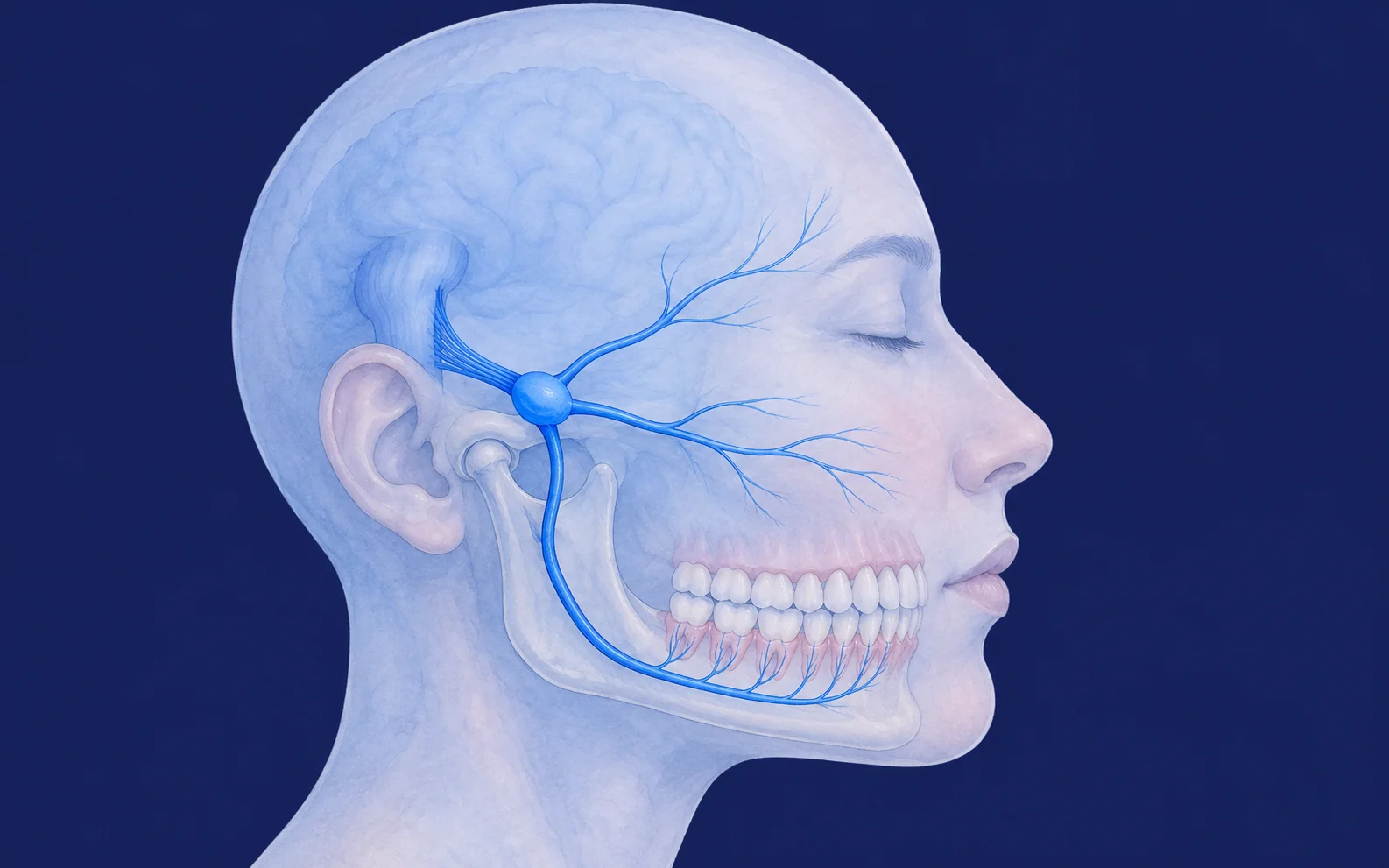
A joint that moves when you chew and speak
We look at how the jaw joint moves when you open your mouth and chew, and how sensation from the teeth and jaw is carried by the trigeminal nerve.
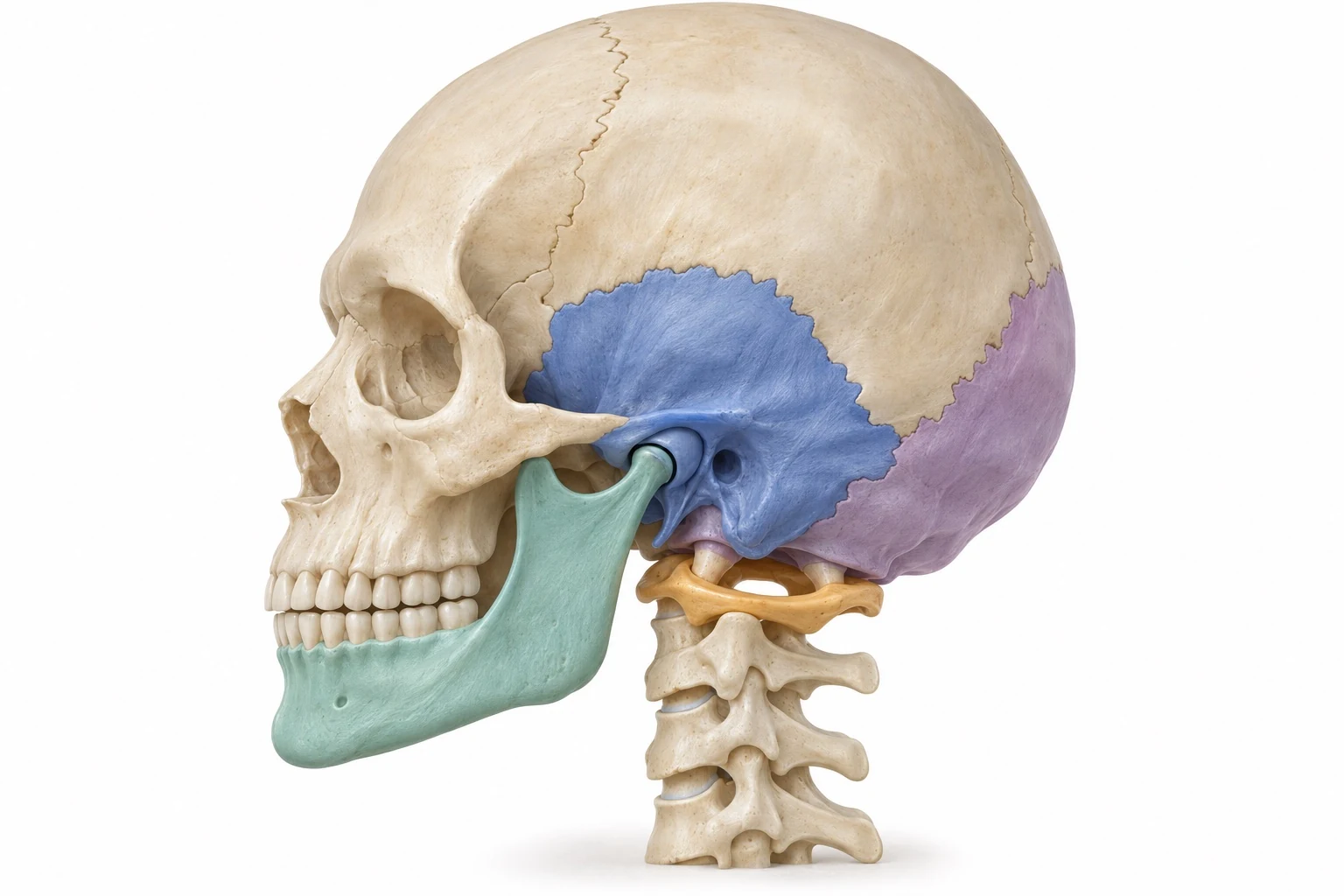
A perspective on the position of the lower jaw
We explain what clues Dr. Lee found in osteopathy, which looks at the body’s structure and movement together, and how he applies them when assessing jaw position.
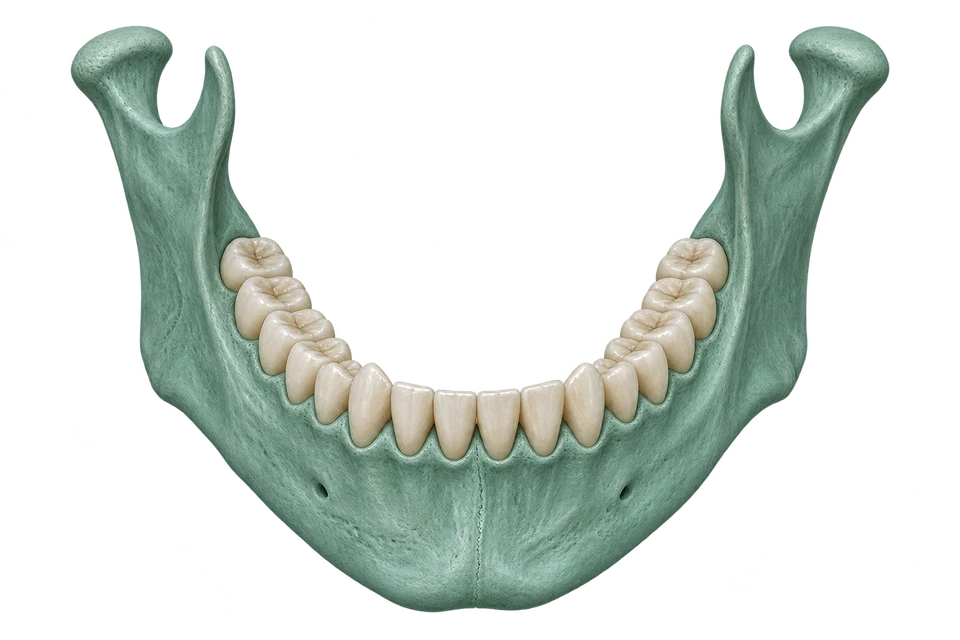
The jaw position identified in the clinic, built into the appliance
We change the position of the lower jaw little by little while observing the response, and build the position identified in the clinic into each patient’s splint.
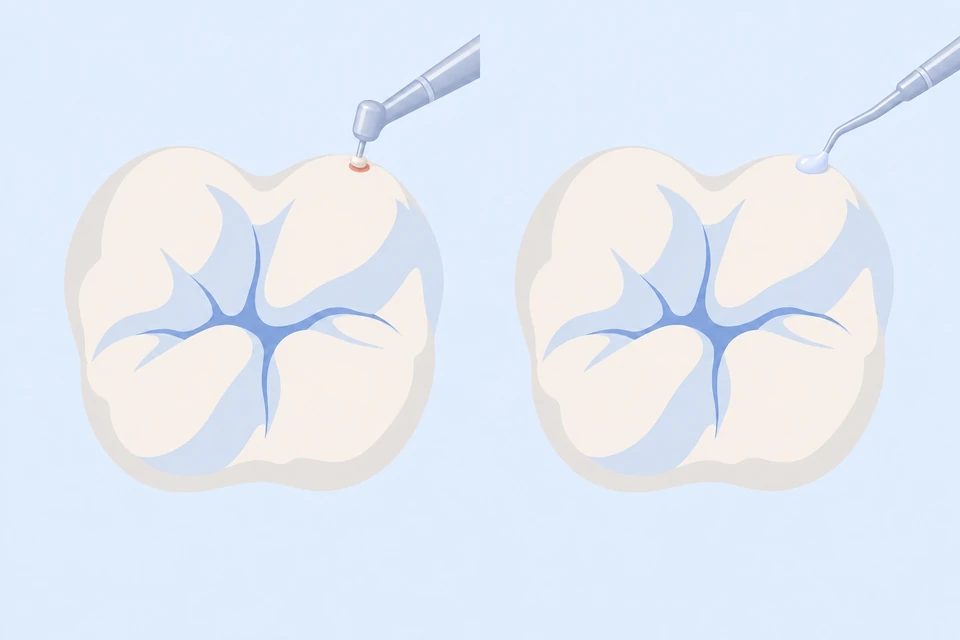
Teeth that touch first and molar support
We check which teeth touch first when you close your mouth or move your jaw, and how the molars support the bite, to judge which areas need adjustment.
Our Treatments
We assess the jaw joint and lower jaw function and use a custom appliance where needed.
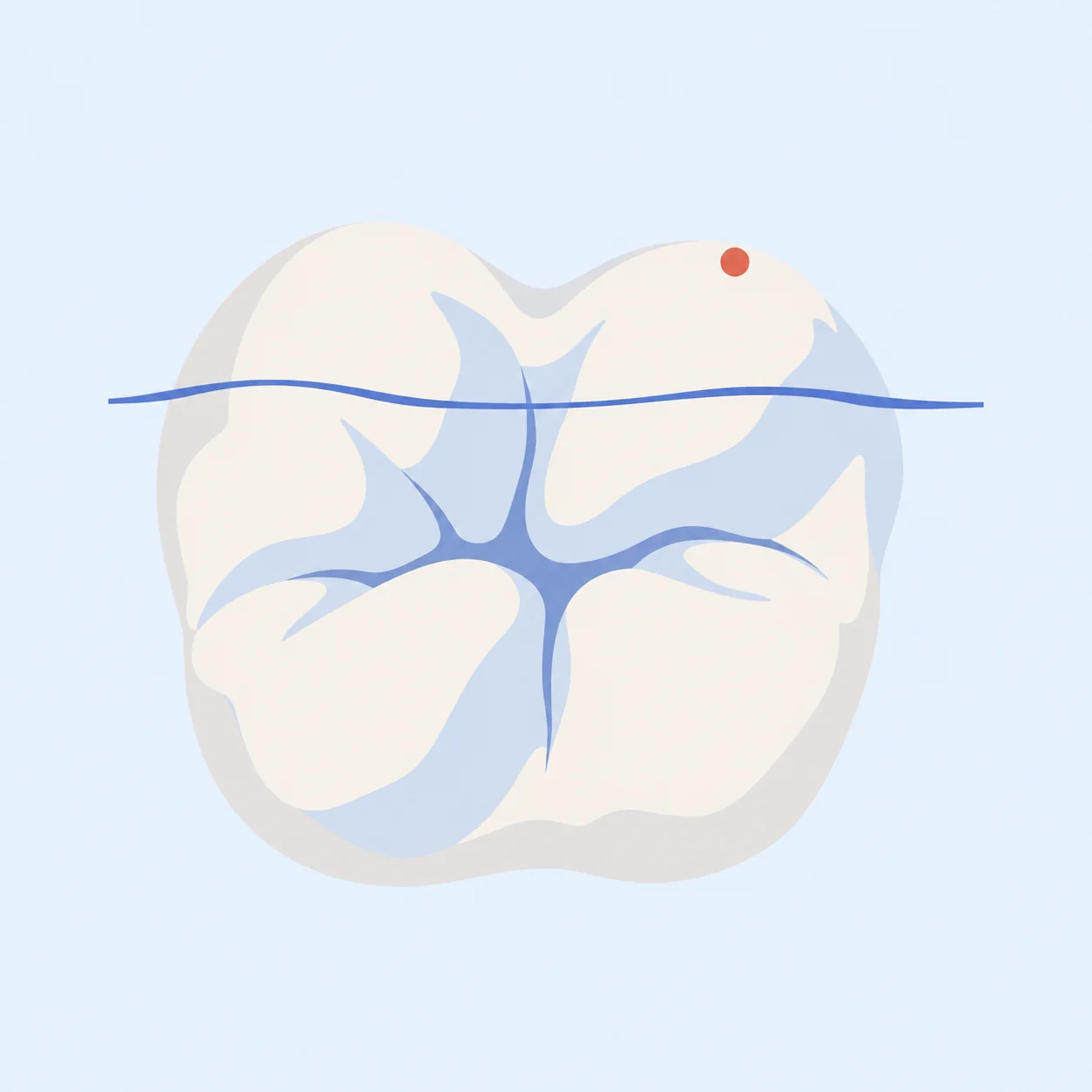
We look at tooth contacts and irritation of the soft tissue in the mouth, and carefully treat only the areas that need it.
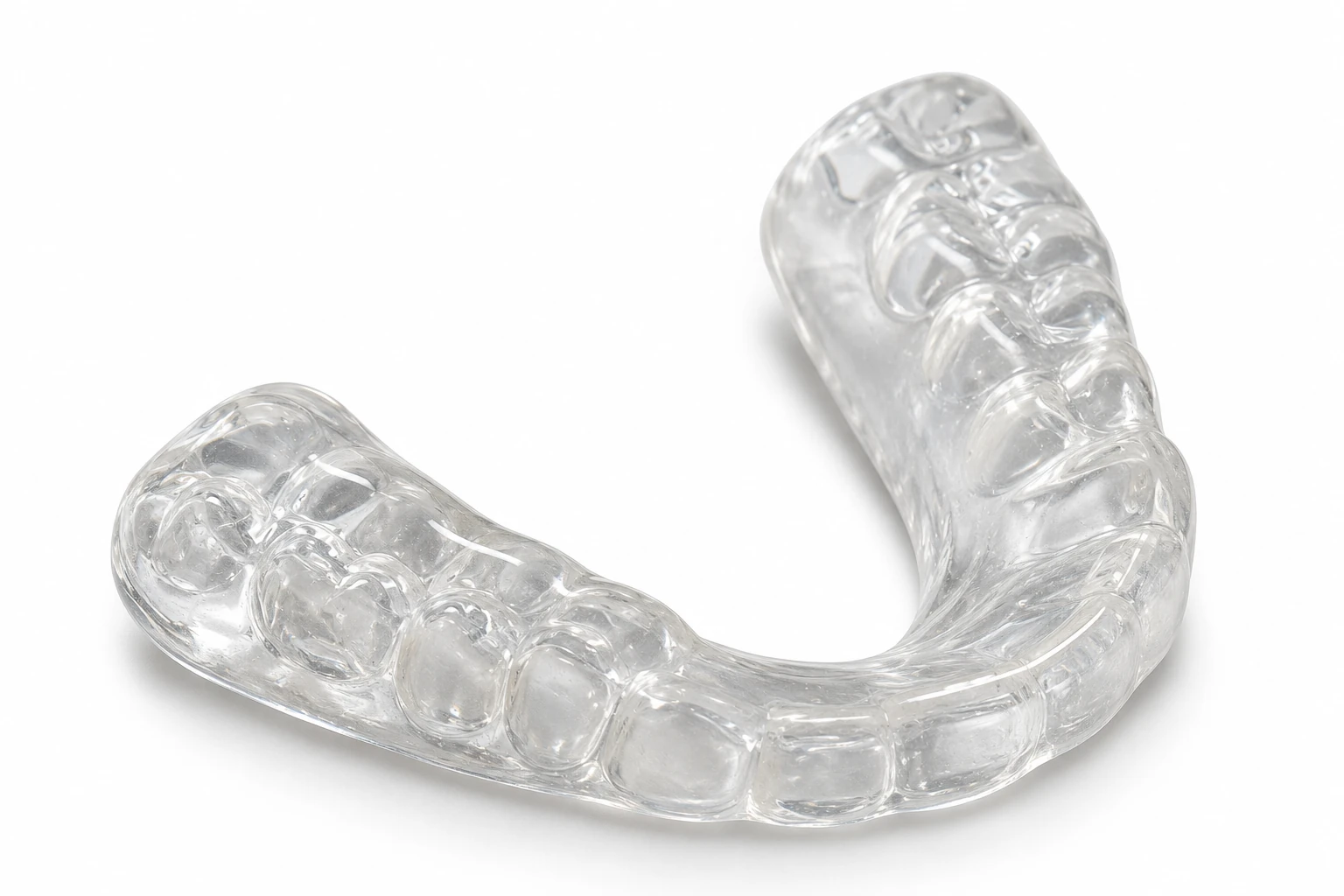
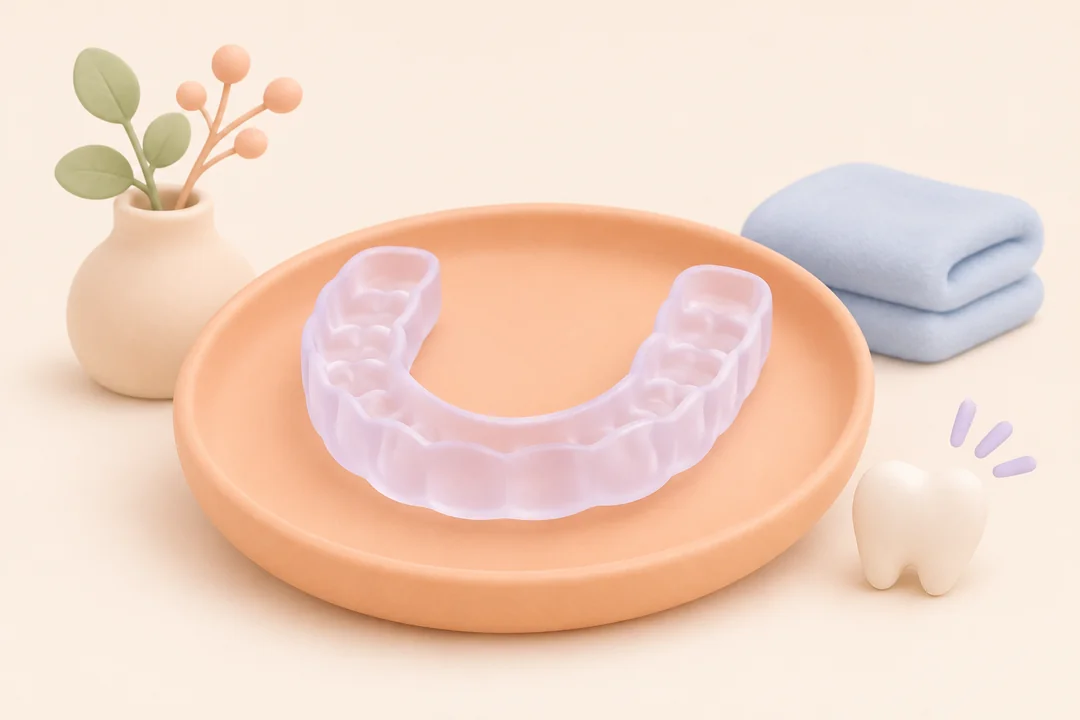
An appliance used for maintenance after treatment, or to keep your current condition from getting worse.
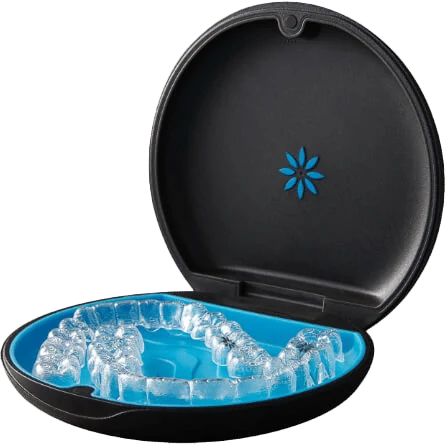
We assess tooth alignment, the bite and the jaw joint together to plan orthodontic treatment.
Browse by Condition
We look at differences in the face together with how the jaw moves
We check morning jaw discomfort and clenching habits

Learn about the roles of a sleep diagnosis and a dental assessment

We look at pain, joint noises and difficulty opening the mouth

We look at symptoms that appear together with jaw discomfort

We explain assessment and care according to the cause of the symptoms
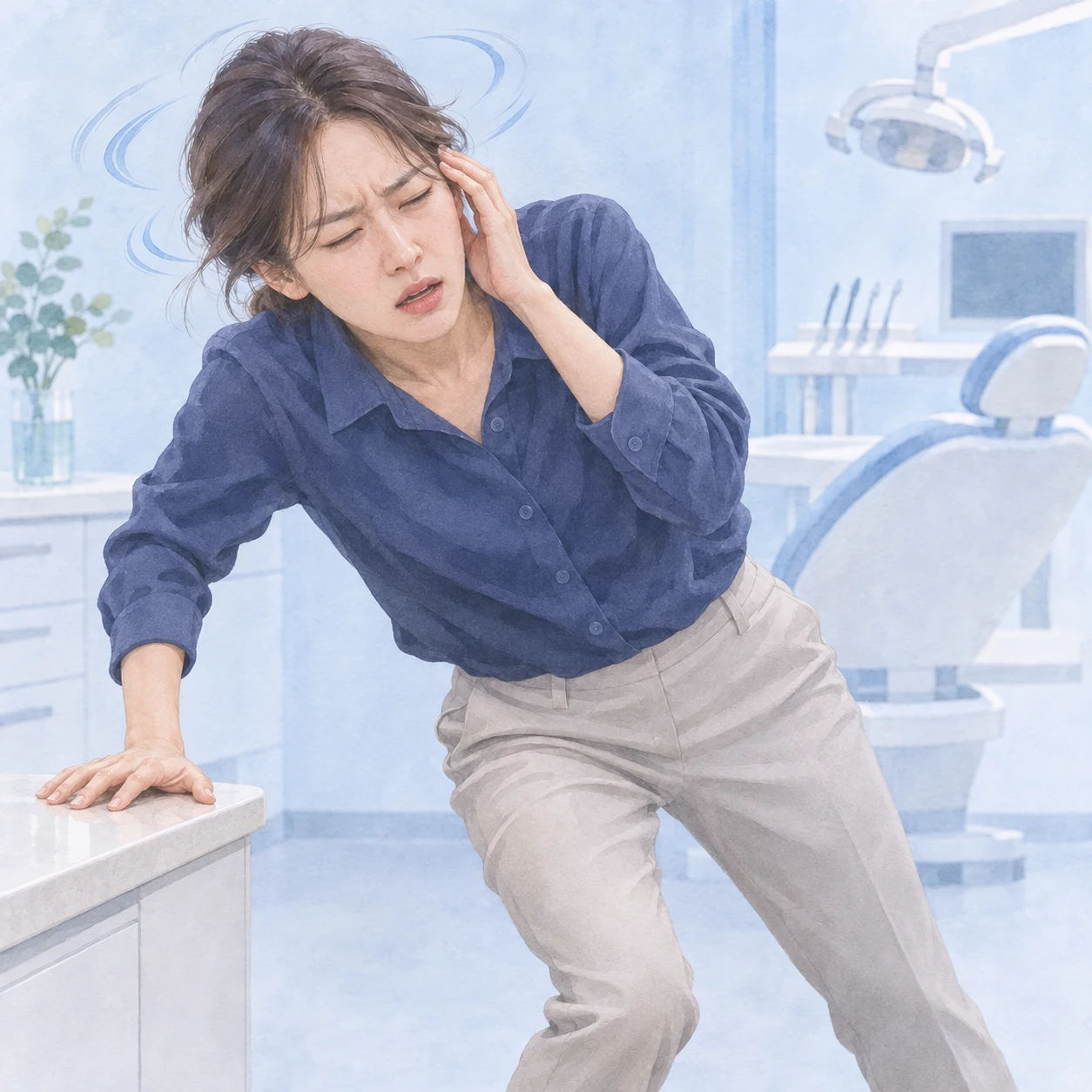
We look at jaw and neck discomfort that appears with dizziness on turning the head and ringing in the ears.

We look at clenching and jaw discomfort during exercise, and left–right differences in movement during swings and landings.

A Message from Dr. Lee
Welcome. I am Dr. Jinhaeng Lee. I first listen to which movements cause you discomfort, then look at the jaw’s range of motion, the chewing muscles and how the molars meet.
We decide on the treatment needed based on what the examination shows. Before and after treatment, we record how jaw movement, the bite and the discomfort you feel have changed.
GSB Orthodontics (Gangseo Barun Dental Clinic) · Dr. Jinhaeng Lee
About Dr. Lee and our approach ↗Dr. Lee’s Articles and Videos

Dr. Jinhaeng Lee · Naver Blog
Dr. Jinhaeng Lee · Naver Blog
Why we look at them together
When you chew, speak and open and close your mouth, the jaw joint and chewing muscles work together with sensory information about tooth contact. We check where the lower jaw rests, whether a particular tooth touches first, and whether the tongue and the inside of the cheek are being repeatedly irritated.
We look at the opening and closing path, side-to-side movement, the chewing muscles and tooth contacts.
We set the purpose of the appliance and assess changes in jaw function and the bite during use.
We check the stability of the back-tooth contacts, premature contacts, sharp edges and soft-tissue irritation.
We explain why fine bite adjustment may be needed, the other options and the risks, and then decide whether to proceed.
We track the repeatability of jaw position and contacts, and changes in chewing function and discomfort.
Quick check · Yes/No
0 “Yes” / 4
Answer the questions and guidance will appear here.
This check is for reference only and is not a diagnosis. Causes and conditions differ from person to person, so please confirm with an examination.